
The Federal Reserve’s interest rate decisions continue to impact the housing market. Driven by the Fed’s rate cuts, mortgage rates reached a three-year low of 6.26% in early September, though they’ve since adjusted to around 6.34% for a 30-year fixed loan. Below, I’ll explain the Fed’s actions, their effect on mortgage rates, and practical steps for homebuyers and investors based on the latest economic data.
The Fed’s Rate Landscape: From Pause to Cautious Cuts
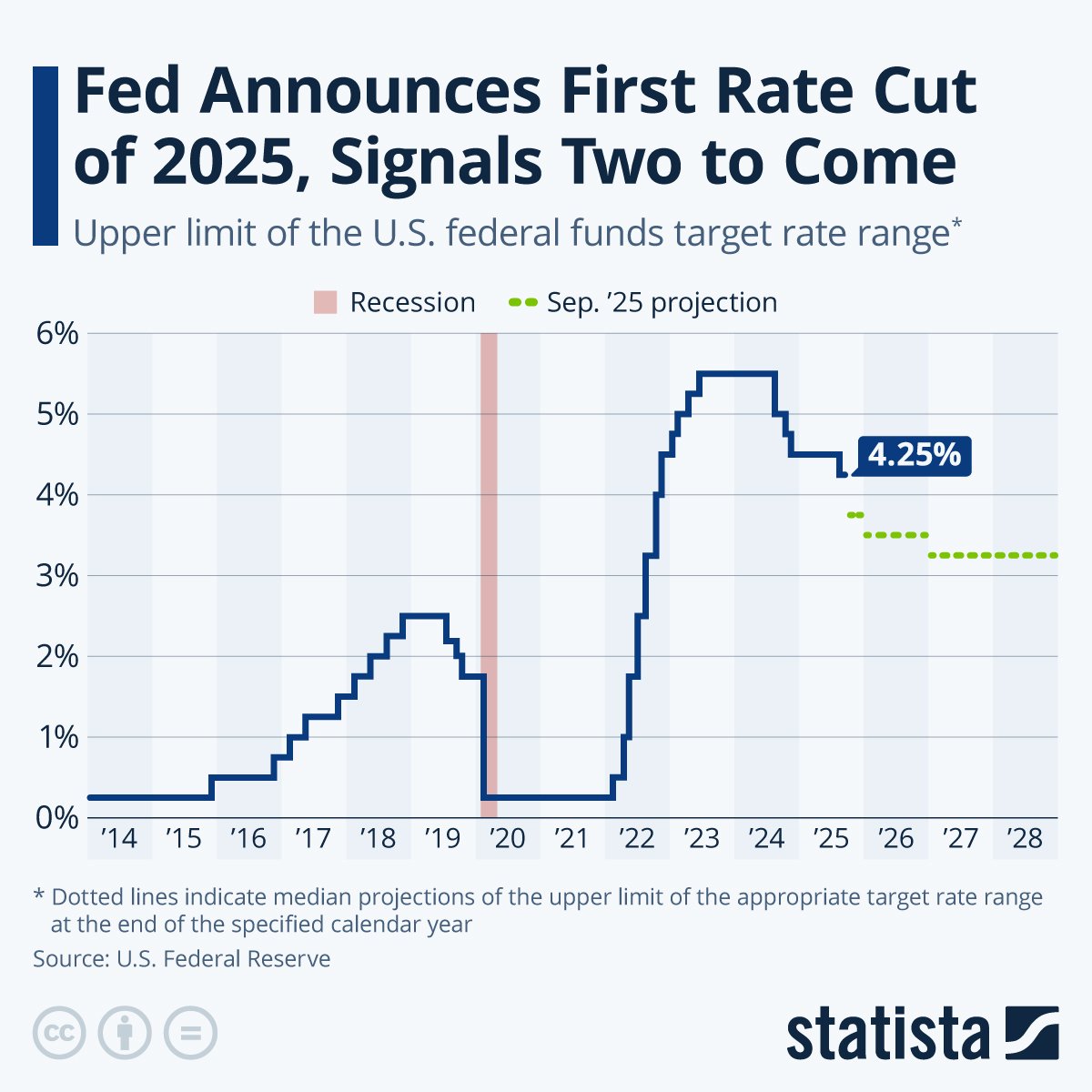
The Federal Reserve’s benchmark federal funds rate—the rate banks charge for overnight loans—sets the economic tone. After aggressive hikes in 2022 and 2023 to curb inflation, the Fed cut rates by a full percentage point in late 2024, bringing the range to 4.25%-4.50% across three quarter-point reductions. In 2025, inflation and a cooling job market prompted caution, with rates held steady through the first five meetings.
Responding to a softening labor market while aiming to avoid reigniting inflation, the Fed cut rates by a quarter point to 4.00%-4.25%. The Fed’s projections suggest measured cuts ahead, but Chair Jerome Powell emphasized a cautious approach due to broader economic risks.
Here’s a timeline of recent Fed actions:
Date | Action | Federal Funds Rate Range |
|---|---|---|
Late 2024 (Sept-Dec) | Three 0.25% cuts | 4.25%-4.50% |
Jan-Jun 2025 | Held steady (5 meetings) | 4.25%-4.50% |
Sept 17, 2025 | 0.25% cut | 4.00%-4.25% |
Late 2025 / 2026 | Measured adjustments | TBD |
These are measured steps to balance employment and price stability.
How Fed Cuts Translate to Mortgage Rates: Not a Direct Path
Mortgage rates don’t move in lockstep with the federal funds rate—they’re influenced through the bond market. Fixed-rate mortgages, like the 30-year option, track 10-year Treasury note yields, which reflect investor expectations for inflation, growth, and Fed policy. Fed rate cuts signal easier money, often lowering yields and mortgage rates, but market sentiment can push back.
Mortgage rates previously fell from 6.89% in late May to 6.26% by early September, the lowest since late 2022. Applications surged 15-20% as buyers acted. Post-cut, rates rose slightly to 6.34% as investors reacted to the Fed’s cautious outlook and ongoing inflation concerns. Markets anticipate measured future moves, so yields have adjusted accordingly.
Adjustable-rate mortgages (ARMs) are tied to short-term indices like SOFR, making their initial rates more responsive to Fed cuts. Industry forecasts predict 30-year rates averaging mid-6% levels, with possibilities of approaching 6% as further policy easing takes hold.
Here’s the impact on a $400,000 loan (20% down):
Rate | Monthly Principal & Interest | Total Interest Over 30 Years | Savings vs. 6.89% High |
|---|---|---|---|
6.26% (September Low) | $2,410 | $468,600 | $35,000 |
6.34% (Current) | $2,430 | $475,000 | $28,600 |
6.89% (May High) | $2,510 | $503,600 | Baseline |
A half-point drop saves tens of thousands over a loan’s life.
The Bigger Picture: Opportunities and Challenges
Lower rates helped boost pending home sales, thawing the market. However, affordability remains tight: national median home prices and rates above 6% keep monthly costs higher than previous historic lows. For investors, this creates opportunities—value-add properties or multifamily units for rental income.
Refinancers: If your current rate is 7% or higher, refinancing near 6.3% could save $100+ monthly. First-time buyers: Explore FHA or VA loans for easier entry. Investors: Lock in fixed rates on leveraged deals to hedge against future volatility.
Upcoming Fed meetings and inflation data remain key. More cuts could push rates below 6.2%, while inflationary pauses might lift them back toward upper ranges. Overall, rates under 7% remain significantly more favorable than peak highs.
Actionable Advice
Get pre-approved now—compare three lenders to secure the best rate. Investors, stress-test deals at 6.5-7% to prepare for volatility. Consider buying points (prepaid interest) to lower your rate by 0.25% for long-term holds. Monitor weekly mortgage surveys or the CME FedWatch tool for updates. If you’re planning a purchase, refinance, or investment, reach out for guidance.
Darel Ison is a real estate investor and Realtor with Abundant Path Homes. Connect via email at [email protected] or phone at (858) 229-1625. Visit abundantpathhomes.com for more details.